The Longest Government Shutdown in U.S. History: What It Means Today
- accessrightss
- Nov 9, 2025
- 2 min read

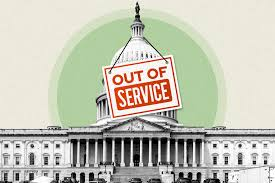
The United States government has been shut down since October 1, 2025, after lawmakers in Congress failed to agree on a new budget plan. This funding gap caused many government departments to close or limit their operations. Now, in early November, the shutdown has officially become the longest in U.S. history, lasting over 40 days and surpassing the 35-day shutdown that occurred in 2018 and 2019. The main disagreement centers on whether to include an extension of health care tax credits in the new funding bill. Democrats support keeping the credits to make health care more affordable, while Republicans want to reopen the government first before discussing any changes to health programs.
The effects of this shutdown are spreading across the country and hurting millions of people. Around 750,000 federal employees have been placed on unpaid leave, and another 2 million are still working without pay. National parks are closed, passport processing has slowed, and delays are growing in federal courts and food safety inspections. The Supplemental Nutrition Assistance Program (SNAP), which helps low-income families buy groceries, is running short on funds in several states. Economists say the shutdown could cost the U.S. economy between 7 and 14 billion dollars in lost productivity and spending. These numbers show that the shutdown is not just a political fight in Washington and that it also affects families, workers, and communities everywhere.
When federal programs stop or slow down, people who rely on public assistance, disability benefits, or housing support face the hardest challenges. The shutdown reminds us why advocacy for fairness and reliability in government systems matters so much. It is essential that leaders find ways to protect vital services even during political disagreements, so that every person can continue to have access to food, health care, and financial stability regardless of what happens in Congress.


Comments